
Mental Health Guide · 2026
Mental Health & Depression:
Signs, Causes, and How to Heal
A comprehensive guide drawn from the world’s leading mental health organisations — NIMHANS, SAMHSA, DBSA, Mental Health America, and WHO.
Updated April 2026 · 5-min read · Crisis Line: 9415578606
Top 5 reference sites: http://telemanas.mohfw.gov.in · http://thelivelovelaughfoundation.org MentalHealth.gov · MindfulCare.com
Mental HealthDepressionDepression SymptomsMental Health AwarenessDepression TreatmentAnxiety & DepressionSigns of DepressionMental WellnessHow to Cope With DepressionTherapy for Depression
Mental health shapes how we think, feel, and function every single day — yet it remains one of the most under-discussed topics in global healthcare. Depression, one of the most prevalent mental health conditions, affects millions silently. This guide helps you recognise the warning signs, understand the causes, and take the first steps toward healing.

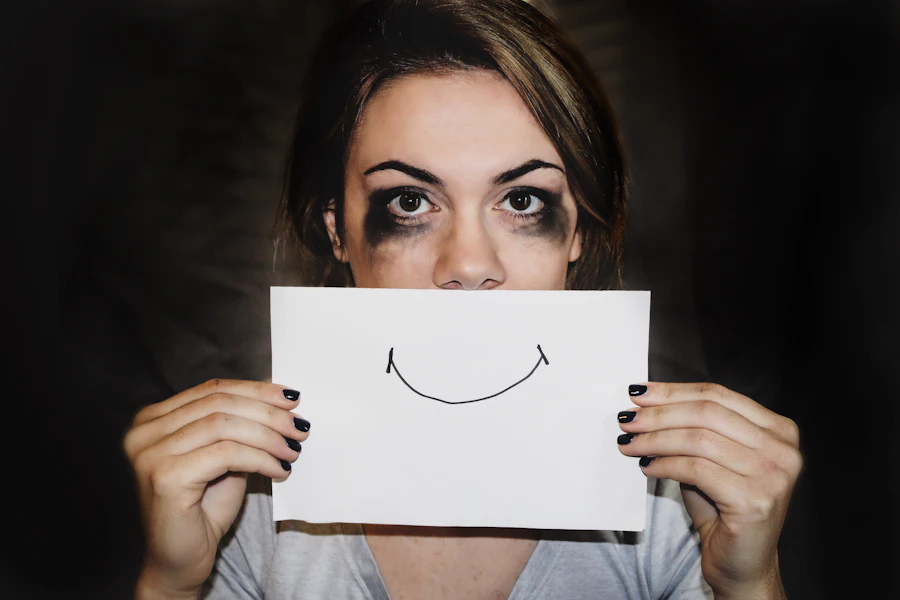
Recognising depression early is the most powerful step toward recovery. · Photo: Unsplash
What Is Depression — And Is It Different From Sadness?
Everyone experiences sadness, but clinical depression — formally called Major Depressive Disorder (MDD) — is a serious, diagnosable medical condition that significantly disrupts daily life. Unlike ordinary low moods, depression persists for weeks or months and affects sleep, appetite, concentration, and the ability to experience pleasure.
“A diagnosis of major depressive disorder requires two weeks of depressed mood or loss of interest in daily activities, plus at least five additional symptoms that cause a measurable decrease in functioning.”— NAMI (National Alliance on Mental Illness), updated June 2025
According to NAMI, an estimated 16 million American adults — nearly 7% of the population — experience at least one major depressive episode each year. Women are 70% more likely than men to be affected, and young adults aged 18–25 face a 60% higher risk than those over 50.
1 in 5
US adults experience mental illness each year
56%
of affected adults receive no treatment at all
21M+
Americans live with mood disorders like depression
Common Signs & Symptoms of Depression
Mental health conditions don’t look the same in everyone. However, common depression symptoms identified across leading health organisations include:
● Persistent low or empty mood
● Loss of interest in activities you once enjoyed
● Changes in sleep — too much or too little
● Fatigue and low energy nearly every day
● Difficulty concentrating or making decisions
● Feelings of worthlessness or excessive guilt
● Changes in appetite or body weight
● Recurring thoughts of death or self-harm
Anxiety and depression frequently co-occur — if you notice signs of both, that’s particularly important to communicate to a healthcare provider. Men often mask depressive symptoms through irritability, anger, or overworking, making diagnosis harder.
Professional therapy — including CBT and talk therapy — is one of the most effective treatments for depression. · Photo: Unsplash
Causes & Risk Factors
Depression does not have a single cause. It arises from a complex combination of biological, psychological, and social factors. Key depression risk factors include:
Brain chemistry & genetics — Research shows that children of parents with depression carry a higher genetic risk. Changes in brain structure and neurotransmitter activity (serotonin, dopamine) are closely linked to depressive episodes. Medical conditions such as hypothyroidism, chronic pain, and sleep disorders can also mimic or trigger depression. Substance use — alcohol and drug misuse significantly increase the risk of a major depressive episode and can worsen existing symptoms. Life stressors — trauma, grief, relationship difficulties, financial pressure, or social isolation are common psychological triggers.
How to Deal With Depression: Proven Treatment Options
The good news: depression is highly treatable. SAMHSA and NAMI both emphasise that a personalised treatment plan — often combining multiple approaches — leads to the best outcomes.
- 1 Seek a Professional Diagnosis A mental health professional uses the DSM-5 criteria to assess symptoms. Getting an accurate diagnosis is the essential first step before any treatment plan is developed.
- 2 Psychotherapy (Talk Therapy) Cognitive Behavioural Therapy (CBT) and other evidence-based therapies help you identify and reframe harmful thought patterns. Online therapy for depression is now widely accessible.
- 3 Medication Antidepressants (SSRIs, SNRIs) can correct chemical imbalances. They work best when combined with therapy and lifestyle changes — and should always be prescribed by a doctor.
- 4 Lifestyle & Self-Care Practices Regular physical activity, consistent sleep, reduced alcohol intake, social connection, and mindfulness-based practices all have measurable positive effects on mental wellness.
- 5 Peer & Community Support DBSA (Depression & Bipolar Support Alliance) offers peer-led support groups that have reached millions. Shared experience can be a powerful part of recovery.
Reducing Stigma: Why Mental Health Awareness Matters
Despite its prevalence, mental health stigma remains one of the biggest barriers to seeking help. According to Mental Health America, over 56% of adults with a diagnosable mental health condition receive no treatment at all — largely due to shame, lack of awareness, or limited access to care.
Mental health awareness — through education, open conversation, and community advocacy — directly reduces this stigma. As SAMHSA notes, mental health is part of everyday life; it shapes how we think, feel, connect with others, and move through the world. Prioritising it is not a luxury — it’s a necessity.
“A person living with depression isn’t ‘broken’ — they are human. With compassion and resources, recovery is possible.”— A New Leaf / Mental Health America, 2025
You Are Not Alone — Help Is Available
If you or someone you know is experiencing signs of depression or a mental health crisis, reach out immediately. Early intervention leads to better outcomes.http://depwd.gov.in
Free & confidential · Available 24/7 · NIMHANS HelpLine: 080-46110007
References & Top 5 Mental Health Sites
- NAMI.org — National Alliance on Mental Illness (Primary: mental health, depression symptoms; Secondary: anxiety, treatment, warning signs)
- SAMHSA.gov — Substance Abuse & Mental Health Services Administration (Primary: mental health awareness; Secondary: treatment services, crisis support)
- DBSAlliance.org — Depression & Bipolar Support Alliance (Primary: depression, bipolar disorder; Secondary: peer support, mood disorders)
- MindfulCare.com — Mindful Care (Primary: online therapy for depression; Secondary: mental health awareness month, stigma)
- TurnANewLeaf.org — A New Leaf (Primary: mental health conditions; Secondary: anxiety disorders, depression awareness, resources)